Maximizing Space and Safety with Custom Hoppers and Guardrails
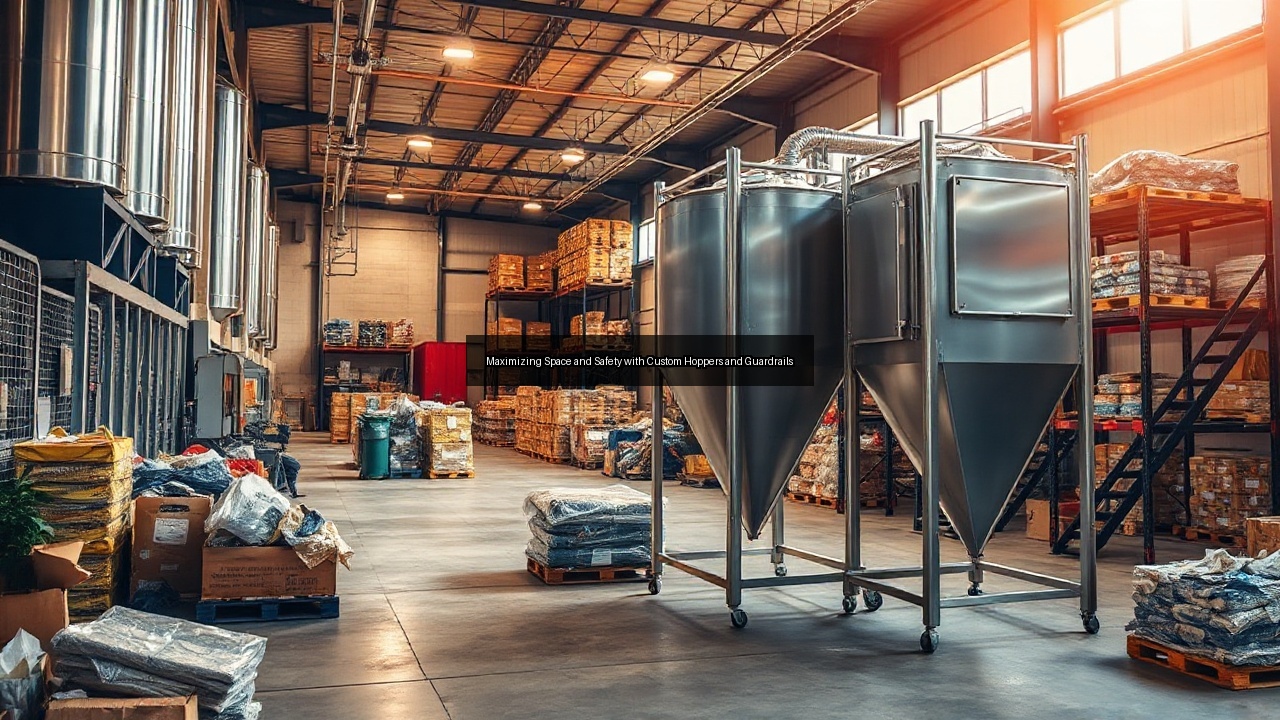
The Importance of Custom Process Hoppers in Modern Manufacturing
Understanding Custom Process Hoppers
Manufacturers rely on custom process hoppers to handle bulk materials efficiently across production lines. These specialized containers direct flow from storage points like silos into downstream equipment with precision. Custom process hoppers differ from standard models because engineers tailor every element to the exact material type, flow rate, and facility layout. Companies in concrete production or scrap processing gain reliable discharge control when they specify gate mechanisms and outlet sizes upfront. This approach eliminates bottlenecks that arise from mismatched equipment and supports consistent throughput even during peak operations.
Benefits of Customization for Efficiency
Customization delivers measurable gains in operational efficiency by aligning hoppers with unique process demands. Fabricators adjust wall angles and internal finishes to prevent bridging in sticky substances such as recyclables or fine powders. Stainless steel models resist corrosion in harsh environments while sheet metal versions offer cost-effective performance for dry goods. Adding casters allows quick repositioning around the warehouse floor without cranes or forklifts. Such tailored features reduce downtime and maintenance calls, letting teams focus resources on core production tasks rather than constant adjustments.
How Custom Hoppers Enhance Productivity
Custom process hoppers boost overall productivity by streamlining material transfer and minimizing waste. Integrated sensors track levels and trigger automatic refills from connected silos, keeping lines running without interruption. In manufacturing settings that process scrap or bulk materials, these hoppers cut manual handling steps and speed cycle times. Workers spend less time clearing clogs or realigning equipment, which directly increases output per shift. Facilities that adopt this equipment often report higher daily yields and lower labor costs because the hoppers match the pace of surrounding machinery.
Designing Custom Hoppers for Specific Applications
Choosing the Right Materials: Stainless Steel vs. Sheet Metal
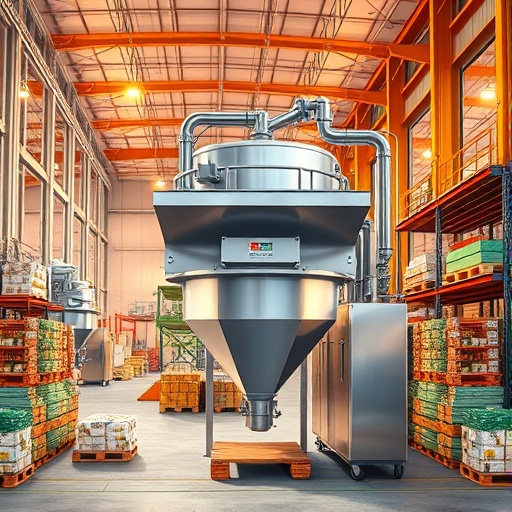
Material selection shapes both durability and cost for any custom process hoppers project. Stainless steel provides superior resistance to moisture, chemicals, and abrasion, making it ideal for food-grade or outdoor applications near concrete mixing stations. Sheet metal offers lighter weight and lower upfront expense for indoor dry-material handling in warehousing environments. Engineers evaluate corrosion risks, temperature exposure, and sanitation requirements before finalizing the choice. Proper material decisions extend service life and reduce replacement frequency, delivering long-term savings across recycling plants and manufacturing floors alike.
Dimensions and Shapes: The Role of Cones and Other Designs
Dimensions and cone angles determine how smoothly materials discharge from custom process hoppers. Steeper cones promote flow in cohesive substances while shallower profiles suit free-flowing granules. Fabricators calculate exact heights, widths, and outlet diameters to fit existing plant layouts and conveyor system elevations. Non-standard shapes such as rectangular or pyramidal designs accommodate space constraints in tight recycling bays. Precise engineering prevents material hang-up and ensures complete emptying, which protects downstream equipment from overload and maintains steady production rhythms.
Integrating Hoppers with Conveyor Systems
Seamless integration with conveyor systems turns custom process hoppers into central nodes of material movement. Engineers align hopper outlets directly above belt or screw conveyors so gravity feeds product without additional transfer points. Adjustable gates regulate flow rates to match conveyor speeds, avoiding spills or surges. In high-volume settings handling scrap or recyclables, this coordination reduces dust and keeps operators safe. Well-planned connections also simplify cleaning and inspection routines, supporting continuous operation across multiple shifts.
Safety Considerations with Custom Hoppers and Guardrails
Implementing Guardrails for Enhanced Safety
Guardrails form a critical barrier around elevated custom process hoppers and walkways. Fabricators mount sturdy metal railings at precise heights to block falls during loading or inspection tasks. Companies add self-closing gates and toe boards to contain small parts or tools that might otherwise drop onto lower levels. Proper guardrail placement integrates with access platforms and ladders without obstructing hopper maintenance. These installations meet regulatory expectations while protecting workers in busy warehousing and manufacturing zones.
The Role of Guardrails in Preventing Accidents
Guardrails prevent accidents by creating physical separation between personnel and moving equipment or drop hazards near hoppers. In recycling facilities where conveyors run close to hopper access points, railings guide foot traffic away from pinch zones. Visible yellow coatings increase awareness during low-light conditions common in large warehouses. Regular inspections catch loose fasteners or impact damage before failures occur. This proactive approach lowers incident rates and maintains uninterrupted production schedules across metal fabrication and bulk handling operations.
Safety Standards for Hoppers and Guardrails
Compliance with established safety standards governs every aspect of custom process hoppers and guardrail design. Codes specify load ratings, railing heights, and gate configurations that protect against falls and equipment contact. Manufacturers document material certifications and weld inspections to demonstrate adherence during audits. Facilities that exceed minimum requirements often incorporate additional features such as non-slip surfaces and emergency stop integration. Consistent adherence reduces liability and builds a culture of safety that supports long-term productivity gains.
Optimizing Space in Warehousing with Custom Solutions
Utilizing Custom Hoppers for Bulk Material Storage
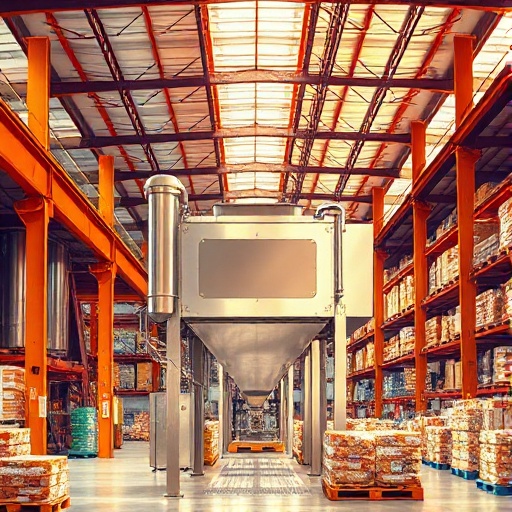
Custom process hoppers maximize vertical storage capacity inside warehousing facilities by stacking above conveyor lines or pallet racks. Tall, narrow designs hold large volumes of bulk materials without expanding floor footprints. Companies route discharge directly into silos or mixing stations below, freeing aisle space for forklift movement. In scrap and recycling operations, these hoppers consolidate multiple material streams into single locations, reducing the need for separate bins and improving inventory visibility.
Incorporating Pallet Racks with Hoppers
Pairing pallet racks with custom process hoppers creates efficient hybrid storage zones. Racks hold bagged or containerized goods at lower levels while overhead hoppers manage loose bulk flow. This layered approach utilizes full ceiling height in warehousing buildings and keeps high-traffic areas clear. Engineers position hopper supports between rack uprights so neither system interferes with the other. The result is higher storage density and faster order fulfillment in environments that handle both packaged products and raw recyclables.
Space-Saving Strategies in Recycling Operations
Recycling operations gain significant floor space when they install custom process hoppers designed for compact footprints. Cone-shaped units nest between existing machinery and route sorted materials straight to balers or conveyors. Mobile versions on casters allow temporary repositioning during peak intake periods without permanent layout changes. Facilities reduce aisle widths and eliminate redundant bins by centralizing flow through these hoppers, which directly lowers real-estate costs while maintaining high throughput of scrap and other recyclables.
Case Studies: Successful Implementations of Custom Hoppers
Industry Examples: Hoppers in Recycling and Manufacturing
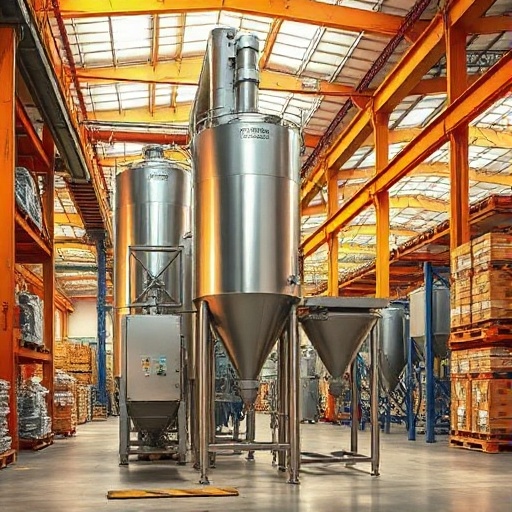
A Midwest recycling company replaced standard bins with custom process hoppers built from stainless steel to manage mixed paper and plastic streams. The cone outlets fed a central conveyor system that eliminated manual sorting steps and increased daily tonnage processed. A concrete manufacturer in the South installed sheet metal hoppers with integrated gates above batching plants, cutting material waste by 18 percent. Both projects demonstrate how tailored dimensions and gate controls adapt to specific material behaviors and facility constraints.
Analyzing the Impact on Productivity and Safety
Post-installation data from these sites revealed clear productivity lifts. The recycling facility reported a 25 percent rise in conveyor throughput after hopper integration removed transfer delays. Guardrails added around the new units prevented three potential falls during the first year. The concrete plant reduced cleanup labor by half because hoppers emptied completely without residue. Safety audits showed zero recordable incidents tied to material handling in the six months following completion, confirming measurable gains in both output and worker protection.
Lessons Learned from Custom Hopper Fabrication
Fabrication teams emphasize early collaboration with plant engineers to capture exact flow requirements and space limitations. One key lesson involved specifying steeper cone angles for the recycling hoppers after initial prototypes showed bridging with wet cardboard. Another project highlighted the value of pre-wiring level sensors during fabrication to speed final commissioning. These experiences underscore the importance of material testing and iterative design reviews before full-scale production begins, ensuring custom process hoppers deliver expected performance from day one.