A Beginner's Guide to Understanding Track Welding Technology
Introduction to Track Welding Technology
Overview of Welding Techniques
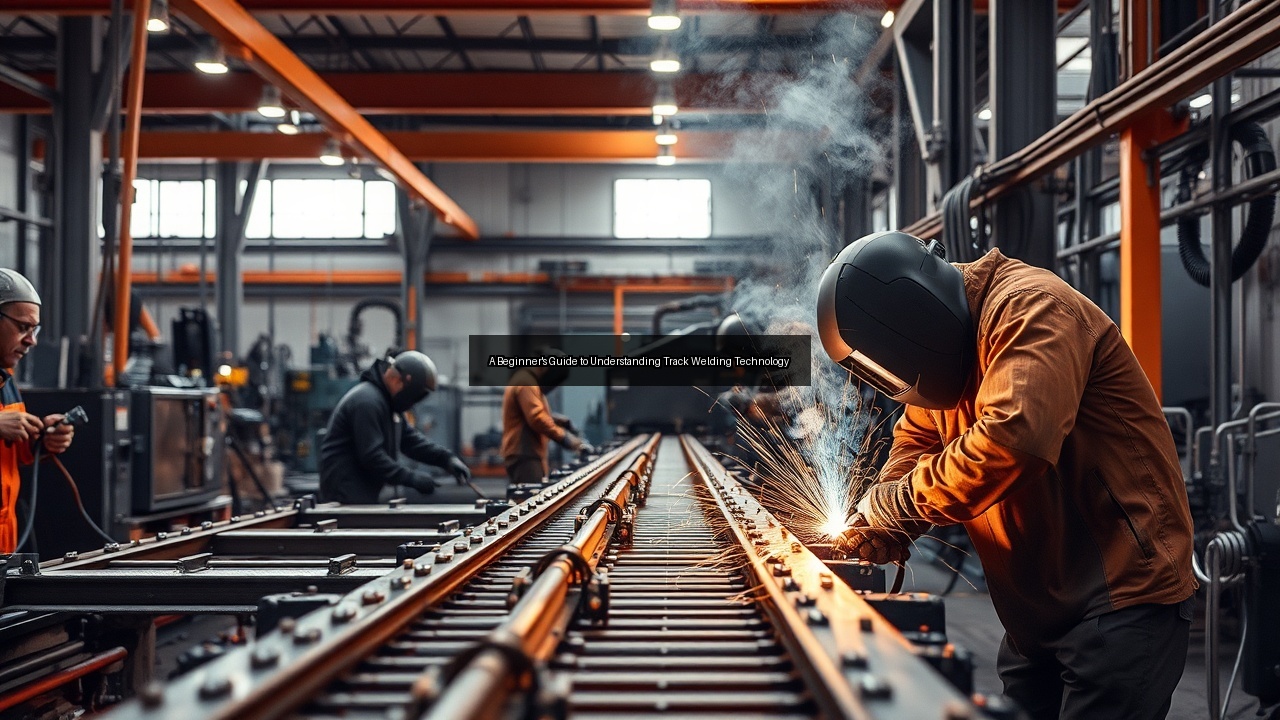
Welding remains a crucial process in various industries, including construction, automotive, and manufacturing. Among the numerous welding techniques, track welding has garnered attention for its efficiency and precision in joining metal parts. This process employs a track welder, a specialized machine that moves along a predetermined path, ensuring consistent quality and accuracy. Track welding involves various methods, including submerged arc welding and gas metal arc welding, each chosen based on the project's specific needs. Understanding these techniques establishes a solid foundation for those looking to delve into the world of welding technology.
Importance of Track Welding in Industry
Track welding plays a significant role in modern industry, especially in the fabrication of large structures like railways, bridges, and heavy machinery. This technique allows for automated processes that enhance productivity while minimizing labor costs. The ability to maintain uniform weld quality over long distances machine for track welding makes track welding ideal for projects requiring high structural integrity. Companies leveraging track welding technology can reduce downtime, improve safety, and increase overall efficiency in their operations. As industries continue to evolve, the demand for reliable and advanced track welding solutions grows, solidifying its importance in the manufacturing landscape.
Key Components of Track Welding Machines
Track welding machines consist of several critical components that enable their effective operation. Central to this equipment is the welding machine itself, which houses the power source and controls the welding process. Essential parts, such as connecting rods and oscillators, play vital roles in ensuring precise movements and consistent weld quality. Connecting rods facilitate the movement of the welding head along the track, while oscillators help create the necessary motion for a uniform weld bead. Understanding these components not only assists in operating track welders but also aids in troubleshooting and maintenance, ensuring optimal performance.
Understanding Track Welders and Their Components
The Role of Welders in Track Welding
Welders are the backbone of track welding technology, responsible for executing the welding process with accuracy and skill. These professionals utilize specialized track welders equipped with features designed to enhance their capabilities. A proficient welder understands the nuances of different welding techniques, the properties of various materials, and the optimal settings for the welding machine. Their machine for track welding expertise ensures that welds achieve the necessary strength and durability, critical for applications in heavy industries. As the technology behind track welders evolves, continuous training and education for welders become essential for maintaining high standards of workmanship.
Types of Welding Machines for Track Applications
Various welding machines exist for track applications, each tailored for specific tasks and materials. The most common types include automatic and semi-automatic track welding machines. Automatic machines operate independently, offering high-speed welding and minimal operator intervention, making them ideal for high-volume projects. Semi-automatic machines require more operator involvement but provide greater flexibility for diverse applications. Additionally, some models feature advanced technologies like robotic welding arms, which improve precision and consistency. Choosing the right machine for a specific task hinges on factors such as project scale, material types, and desired weld characteristics.
Essential Parts: Connecting Rods and Oscillators
Connecting rods and oscillators are vital components of track welding machines that significantly influence the welding process. Connecting rods link the welding head to the machine's drive system, enabling smooth movement along the track. Their design and material can affect the speed and stability of the welding process, impacting overall weld quality. Oscillators, on the other hand, create a side-to-side motion during welding, which allows for wider bead coverage and improved penetration. The synchronization of these components ensures that the welds produced are not only strong but also meet the aesthetic and structural requirements of the finished product.
Advantages of Track Welding
Efficiency and Speed in Welding Operations
Track welding offers unparalleled efficiency and speed, essential in today’s fast-paced industrial environment. The automation inherent in track welding machines reduces human error and increases the rate of production. Operators can set the welding parameters once, allowing the machine to perform repetitive tasks with consistent quality. This automation translates to faster project completions and lower labor costs. Moreover, the ability to weld continuously over long distances without interruption further enhances productivity. Companies that adopt track welding technology often see significant gains in their operational efficiency, allowing them to tackle larger projects with tighter deadlines.
Return on Investment for Track Welding Equipment
Investing in track welding equipment offers a substantial return on investment (ROI) for businesses. While the initial cost of these machines can be high, the long-term benefits outweigh the expenses. Track welders reduce labor costs by automating the welding process, minimizing the need for large teams. Furthermore, the improved quality of welds leads to fewer rework requirements, saving time and resources. Enhanced efficiency and productivity directly contribute to increased output, enabling companies to take on more projects and boost revenue. Over time, businesses can recoup their investment through lower operational costs and higher profitability.
How Ceramic Electrodes Enhance Performance
Ceramic electrodes play a crucial role in enhancing the performance of track welding machines. These electrodes provide several advantages over traditional wire electrodes, including improved stability and heat resistance. Their design facilitates better arc control, resulting in cleaner and more consistent welds. Additionally, ceramic electrodes can withstand higher temperatures, making them suitable for various welding applications. The use of ceramic electrodes also reduces the likelihood of spatter, leading to less cleanup and a more efficient welding process. By incorporating ceramic technology, track welders achieve superior results, further solidifying the advantages of this welding method in industrial applications.
Choosing the Right Track Welding Machine
Factors to Consider When Selecting a Welding Machine
Selecting the right track welding machine involves evaluating several critical factors. First, consider the specific applications and materials you will be working with. Different machines are designed for various welding techniques, so understanding your project requirements is essential. Next, assess the machine's portability and ease of use. Some machines may be heavier and less maneuverable, impacting their suitability for certain environments. Additionally, consider the machine's power source, as this can influence its efficiency and performance. Finally, budget constraints and long-term maintenance costs should also factor into your decision-making process.
Comparative Analysis of Track Welding Equipment
Conducting a comparative analysis of track welding equipment helps identify the best options available in the market. Evaluate the specifications and capabilities of different models to determine which machine aligns with your needs. Factors to compare include welding speeds, ease of adjustment, and the machine for track welding types of welding methods supported. Additionally, consider the manufacturer’s reputation and customer service, as reliable support can be invaluable in addressing any operational issues. Reading customer reviews and testimonials also provides insights into the performance of various machines, assisting in making an informed decision.
Leading Manufacturers: Gullco International and Beyond
Gullco International stands out as a leading manufacturer in the realm of track welding machines. Known for their innovation and quality, Gullco offers a range of products designed to meet the diverse needs of the industry. Their machines are equipped with advanced technology, ensuring precision and efficiency in the welding process. Beyond Gullco, several other manufacturers also contribute to the market, each providing unique features and benefits. Researching these manufacturers and their respective offerings can help you find the most suitable track welding equipment for your specific applications, ensuring you invest in quality and reliability.